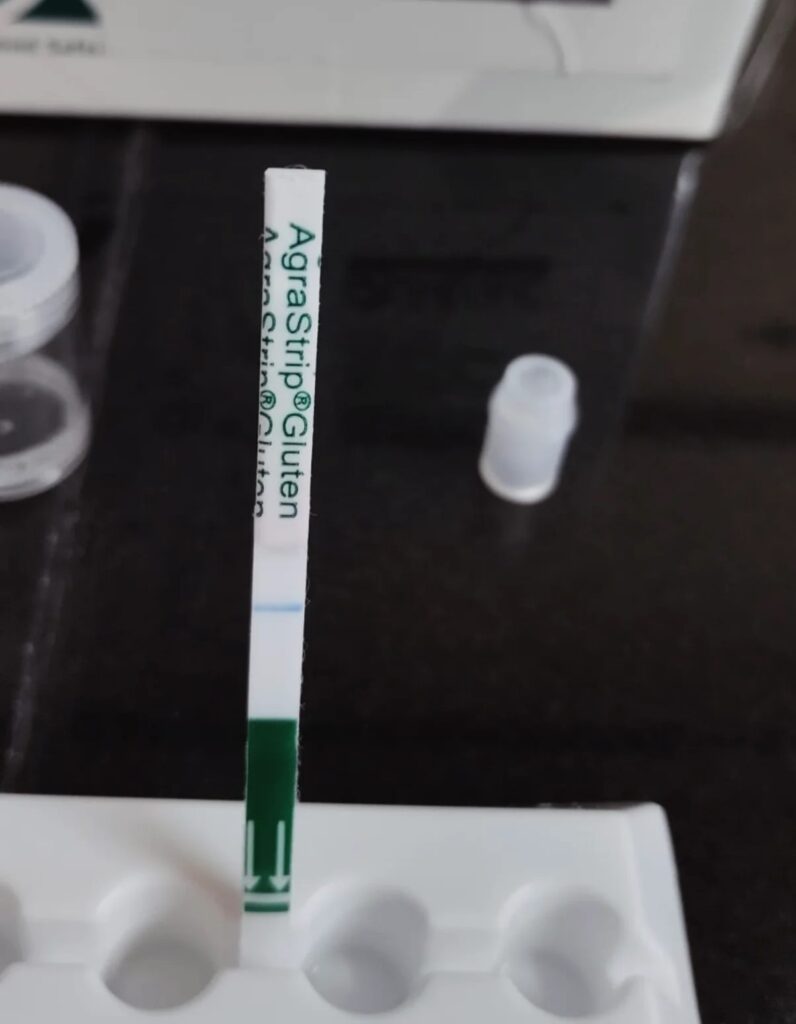
At Homemade Cuisine, all our products are 100% gluten free. We ensure this by implementing processes that reflect international standards to guard against any form of cross contamination. This includes carefully vetting our raw material suppliers, gluten analysis testing of products in-house using validated rapid test kits & from third-party labs as well, strong employee training, and prohibiting the entry of any form of gluten into our facilities.
Yet, we recognize that gluten is not the only allergen which people may react to or be intolerant to. This is why we focus on making other dietary products as well, here is what those different labels mean on our products:
Many of our products do not use egg as an ingredient. However, egg is present in our facility and we use shared equipment and utensils for our “no egg added” products. To prevent cross-contamination, surfaces, and utensils are washed after being used for egg-based products.
However, these products may contain traces of eggs even if no egg has been added intentionally nonetheless.
You can view a list of our no egg added products here.
Many of our products do not use any dairy based ingredients. However, they are used in some products which is why these labelled products may contain dairy even if no dairy has been added intentionally.
Our cakes that do not use any chocolate ingredients are labelled dairy free because the cream used is from a vegetarian base.
You can view a list of our products with no dairy added here.
Even if a product may contain no added sugar, it still may contain naturally occurring sugars. This is why we do not label our products as sugar free but instead prefer to use the term “low sugar”.
All our low sugar products are either made from a zero calorie sweetener or do not use any sweetener at all (Keto Almond Bread as an example).
It is also important to understand that their is a difference between a product being diabetic friendly and low sugar. Diabetic friendly products should have a low carbohydrate content even if no sugar is added so that the product once eaten does not break down carbohydrates into glucose (sugar) in the bloodstream causing a sugar spike.
Most of our low sugar product range also falls into the Keto category, therefore meeting the diabetic friendly criteria as these products are low in carbohydrates as well apart from having no sugar. These include our Keto brownies, cookies, tea cakes, and fried chicken.
Although corn/maize is not a top 14 allergen, we still label our products without corn to make it easier for people to make dietary choices.
To make our products, we use our own Gluten Free Flour blends. Most of these blends contain maize/corn as an ingredient. However, some of our products are made from alternative flours such as almond flour or gram flour/besan.
Therefore, we have categorized these products online as those without any Corn/Maize added.
It is important to note that corn is an ingredient present in our facility nonetheless and therefore, shared equipment & utensils are used to make no corn added products. We do our best to guard against cross-contamination but cannot rule our accidental contamination of corn.
These products fall under the “lacto-ovo vegetarian” diet which means that they do not contain any meat, chicken or fish but may contain eggs, and dairy products including milk, cheese, butter, and yoghurt.
All products labelled vegan contain no animal based ingredients either directly or indirectly. This includes the absence of meat, chicken, milk, yoghurt, other forms of dairy, eggs, and any other ingredient such as honey.
For people diagnosed with the Irritable Bowel Syndrome (IBS), it is recommended to follow a Low FODMAP diet which should be low in certain components:
- Fructans: Found in foods like wheat, rye, onions, garlic, and some fruits and vegetables.
- Galacto-oligosaccharides (GOS): Found in legumes (such as beans and lentils) and certain nuts.
- Lactose: Found in dairy products like milk, yogurt, and soft cheeses.
- Fructose: Found in various fruits, honey, and high-fructose corn syrup.
- Sorbitol: Found naturally in some fruits (such as apples, pears) and also used as a sweetener in sugar-free products.
- Mannitol: Found naturally in mushrooms and some fruits (such as apples and apricots) and used as a sweetener in some sugar-free products.
- Xylitol: Used as a sugar substitute in sugar-free products and chewing gum.
For this reason, we have labelled some of our products as Low FODMAP to help people with IBS make safe food choices. Recipes are checked for these individual components in order to determine if they are safe for such a diet at a particular serving size.
Soy is present in our facility indirectly being a sub-ingredient and directly in the form of soybean flour. However, many of our products do not use any such ingredients and they may be labelled as “no soy added”. It is important to note though that shared equipment and utensils are used for these products and so traces of soy or more may be present.
Products that will always contain soy include products made using cooking chocolate, and banaspati ghee.
A keto diet is low in carbohydrates, moderate in proteins, and high in fats. All of our Keto products are formulated on the basis of this definition with nutritional information displayed on product pages for complete consumer information.
When a product uses a low calorie sweetener, it will be mentioned on the product page with the name of the sweetener, this is pure Stevia for most products.
Nuts are present in our facilities in the form of peanuts, almonds, and walnuts.
However, products that do not use these are labelled as No Nuts Added. It is important to note though that shared equipment and utensils are used for the production of these items and so unintentional traces or more may be present.
Some people cannot tolerate the usage of yeast in baked goods. Luckily, the majority of our products do not use yeast as an ingredient. Therefore, products that have no yeast added can be analyzed through the ingredients list on every product page.
Products always containing yeast include bread, burger buns, pizza, and pita breads among others.
Products never containing yeast include our biscuits, cookies, flours, and spices but traces or more may be present.
A renal diet is specially formulated for Chronic Kidney Disease (CKD) patients who are advised to consume specific products by their dietitians revolving around low protein, phosphorous, potassium, and sodium.
Since this involves significant challenges from the perspective of a food manufacturer, we are exploring this diet and have labelled certain ingredients that comply with these requirements. For the future, we strive to analyze the nutritional parameters of more products to make it easy for people with CKD to have more options to choose from.
Sesame seeds are only used in the following products:
- Burger Buns
- Multigrain Diabetic Flour
- Packed Sesame Seed Jars
- Bread Crumbs
All other products do not have sesame seeds added. However, they are present in our facility nonetheless and so traces or more may be present in other products as well according to the specific department.
We do not use any of the above allergens in our products neither are they present in our facility in any form.
Apart from these allergens/special diets, you may contact us for any further information.


Quality Control
Microbiological Department
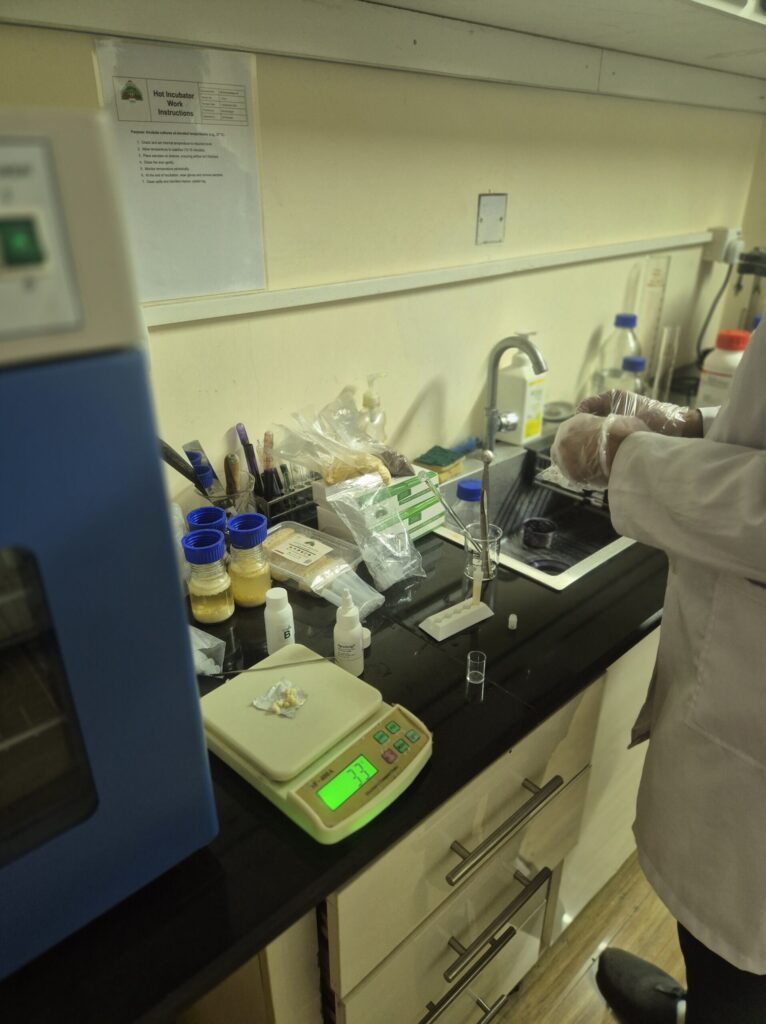
In 2024, we established a new microbiological laboratory in order to test our products for various microorganisms. This step was essential considering that making only food free from allergens is not sufficient, it is also important to make sure the food is free from harmful levels of bacteria, fungus, and other microorganisms.
At this lab, we test our working environment, raw materials, and finished products regularly not only for microorganisms but also for key parameters such as moisture which helps ensure strict quality control. Internal reports are generated subsequently for proper documentation and traceability. Furthermore, internal testing for gluten is carried out using AOAC approved rapid test kits ensuring the food we are producing is indeed gluten free according to both regulatory and consumer expectations.
For the future, we aim to extend the capabilities and expertise of our labs by conducting chemical analysis and testing in-house and investing in even better equipment to make sure that we make food you can feel safe with.
a brief by Sudais Asif - Managing Director Homemade Cuisine
